
A Decisive Battle
San Jacinto was the most decisive battle in Western military history. During the war’s prelude, it became apparent to leaders on both sides that events would soon come to a climax.
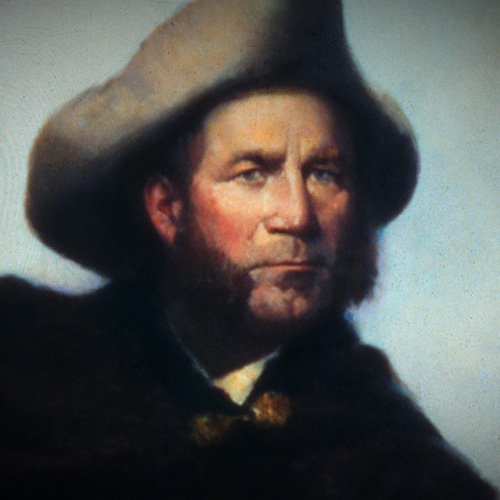
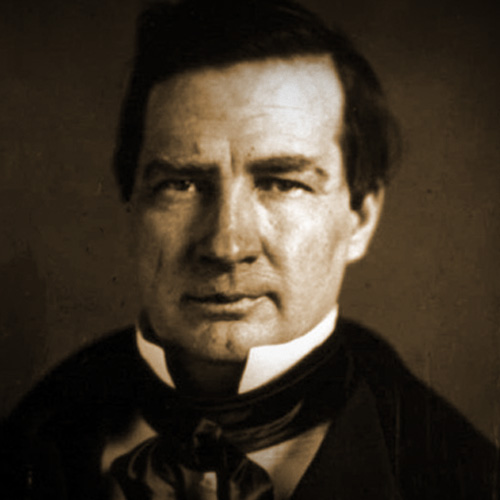
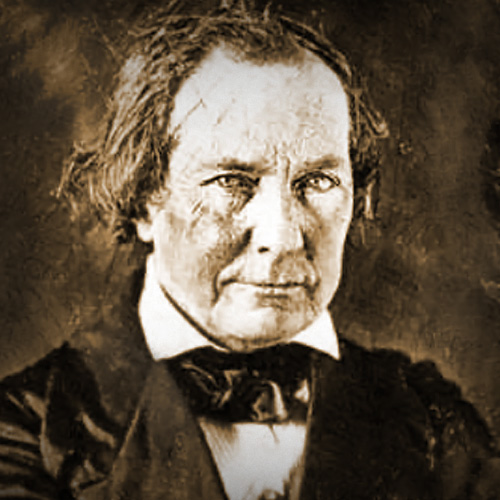
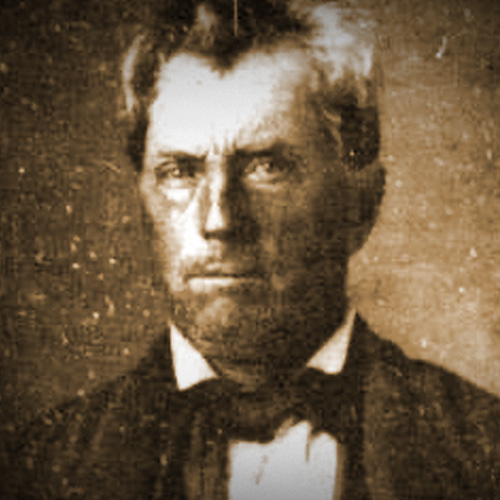
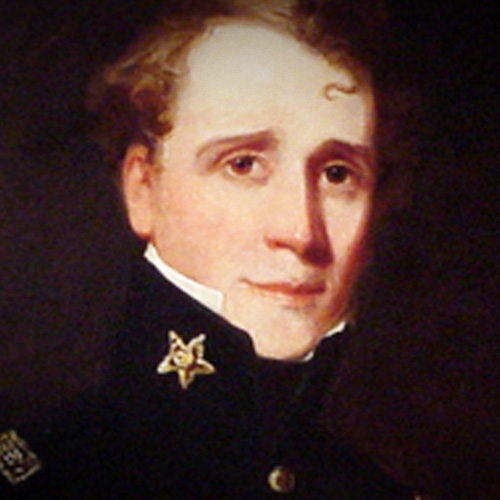
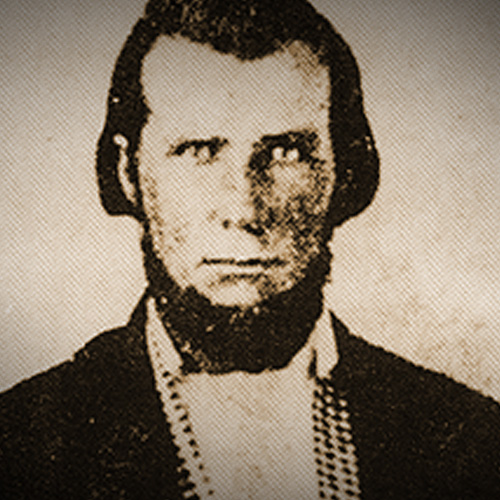
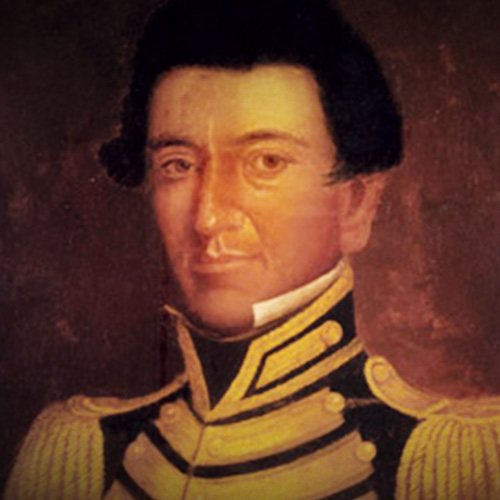
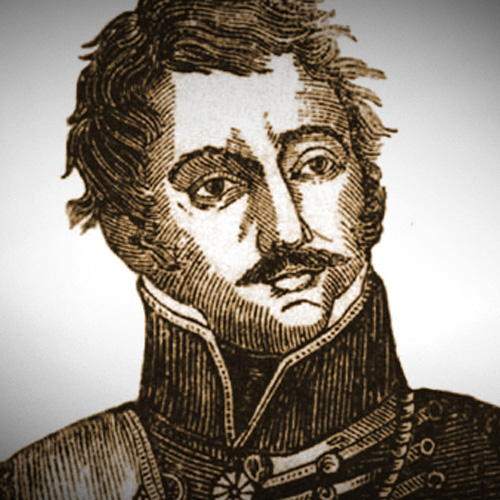
By the time Mexican and Texian forces camped close to each other on the night of April 20th, Sam Houston’s army — under the command of men like Sidney Sherman, Juan Seguín, Henry Millard, Mirabeau B. Lamar, and Edward Burleson — were ready for a fight to throw off the yoke of tyranny.
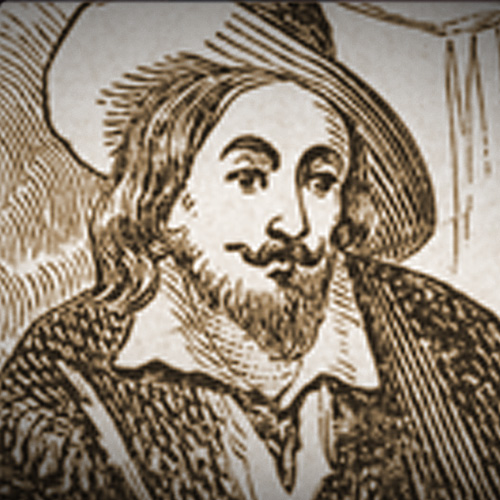
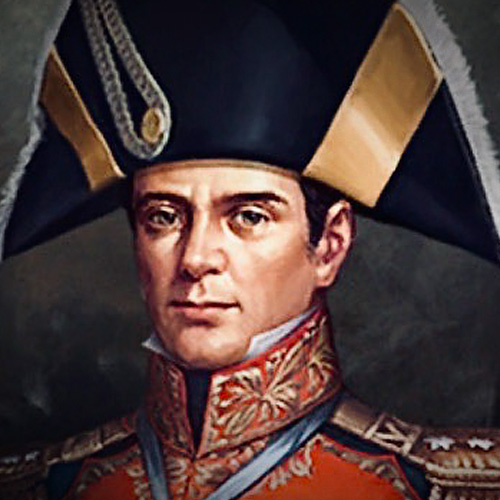
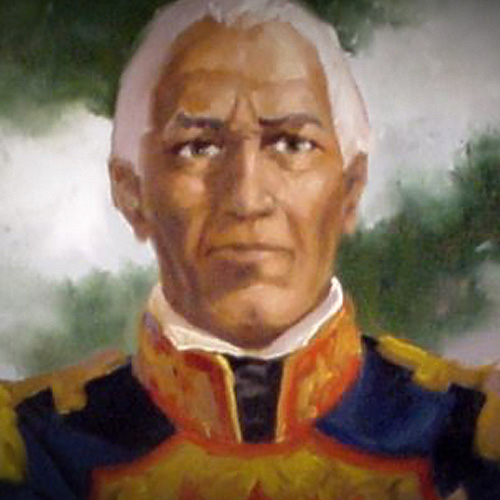
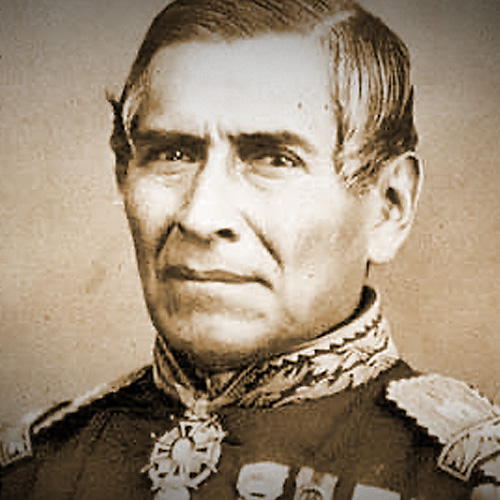
Less than a mile away, General Santa Anna’s men — led by loyal leaders like Cos, Castrillón, and Almonte — overshadowed them in equipment, training and experience. The Mexicans understood how far they were from home and were eager to establish order within the legal boundaries of their nation and defend its honor.
As the battle unfolded, each man fought for his beliefs with honor. When the sun rose on Texas independence, none would be the same. They were labeled casualties or prisoners or victors. But all were heroes.